Half of what goes wrong with furniture on a move happens before it leaves the room. A wardrobe carried whole down a turning staircase, a bed frame dismantled with the screws in a pocket, a table with tape stuck straight onto the lacquer — each of those is a decision made in the first ten minutes.
Disassembly and reassembly are included in what we do, so we have an interest in you valuing it. What follows is what we actually decide and why, including the cases where the right answer is to leave a piece alone.
What always comes apart
Not out of habit — each of these is safer in pieces than whole.
- Beds. Almost without exception. A double bed frame does not turn on a Lisbon staircase, and the slat base is the part that gets damaged when somebody tries.
- Wardrobes over about 180 cm. Doors and shelves come off first, then the carcass if it was built to come apart. Doors are the fragile part: hinges bend under their own weight when the piece is tilted.
- Dining tables. Legs off, top wrapped separately. A table top carried flat with the legs on is a lever waiting for a doorframe.
- Desks and shelving units where the back panel is thin board — those carry their rigidity in the back panel, and it splits if the piece is twisted.
- Anything with glass. Glass shelves and doors travel separately, wrapped, never inside the piece they came from.
What we would rather not take apart
This is the section other companies do not write, and it matters more than the previous one.
- Flat-pack furniture that has already been assembled and dismantled twice. Chipboard holds a screw well the first time, adequately the second, and unreliably the third. The holes widen every time. We will tell you before we start if we think a piece will not survive another round, and then it is your call whether it is worth moving at all.
- Solid wood joinery that was glued, not screwed. If it was never designed to come apart, taking it apart destroys it. Old chests and dressers usually fall in this category.
- Anything with a hidden mechanism — sofa beds, recliners, lift-up storage beds. These come apart in a specific order and go back together in a specific order, and getting it wrong is expensive. Where possible they travel assembled.
- Kitchen units and built-in wardrobes. These are usually part of the property rather than yours, and removing them is a job for a carpenter, not a moving crew.
Where the screws go
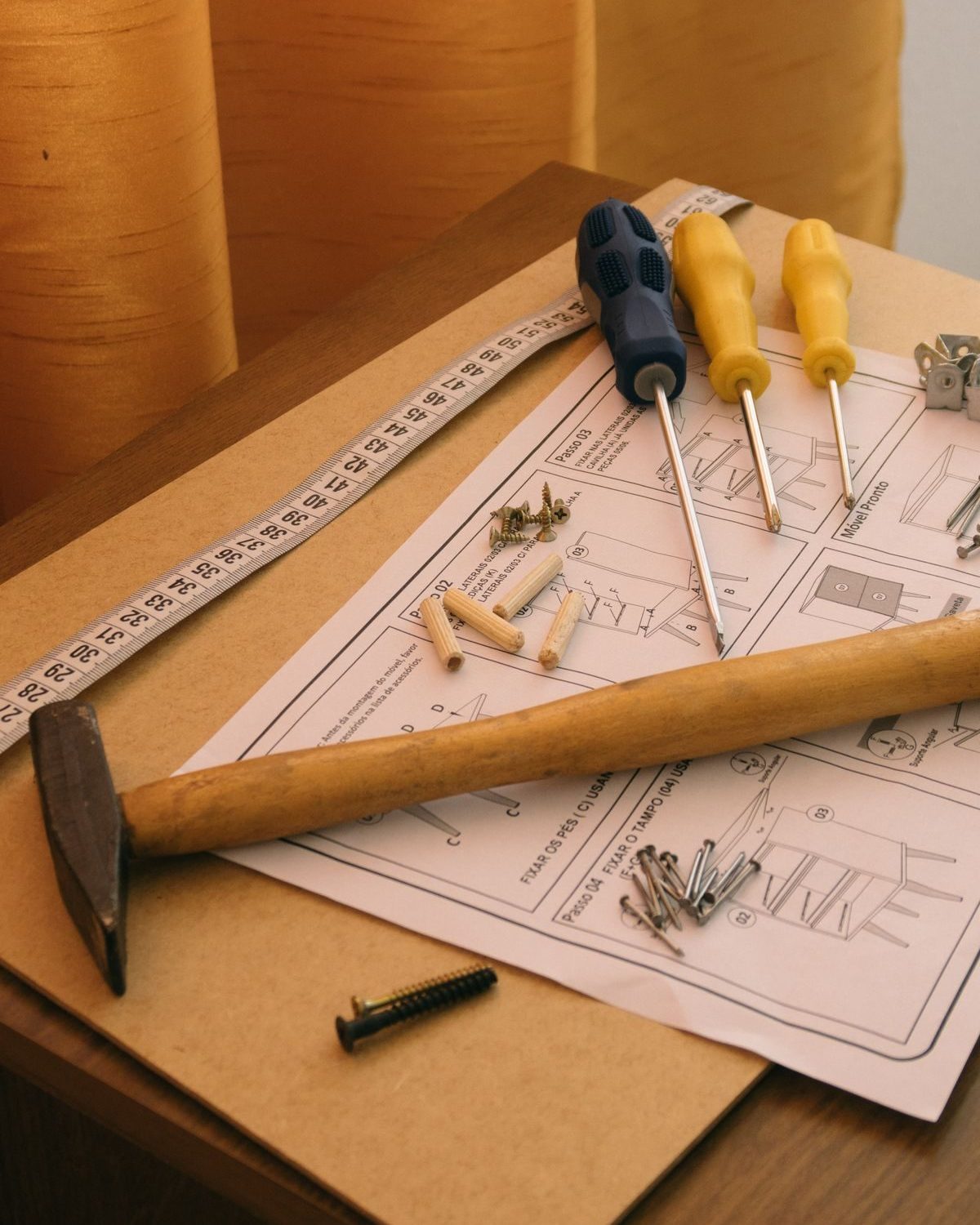
The single most common way a reassembly turns into an afternoon is hardware that has gone missing. Our rule is simple and never varies.
Every piece of hardware from one item goes into its own bag. The bag is labelled with the item. The bag is then taped to that item, not collected into a box with everybody else's screws. A bag taped to the underside of the table top arrives with the table top.
Before anything comes off, we photograph the piece assembled, and photograph the back of it. Nobody remembers three hours later which way round the back panel went, and the photograph settles it in two seconds.
Protecting the parts once they are apart
A dismantled piece is more vulnerable than an assembled one, not less. Panels are flat, thin and easy to chip on a corner, and there is nothing holding them square.
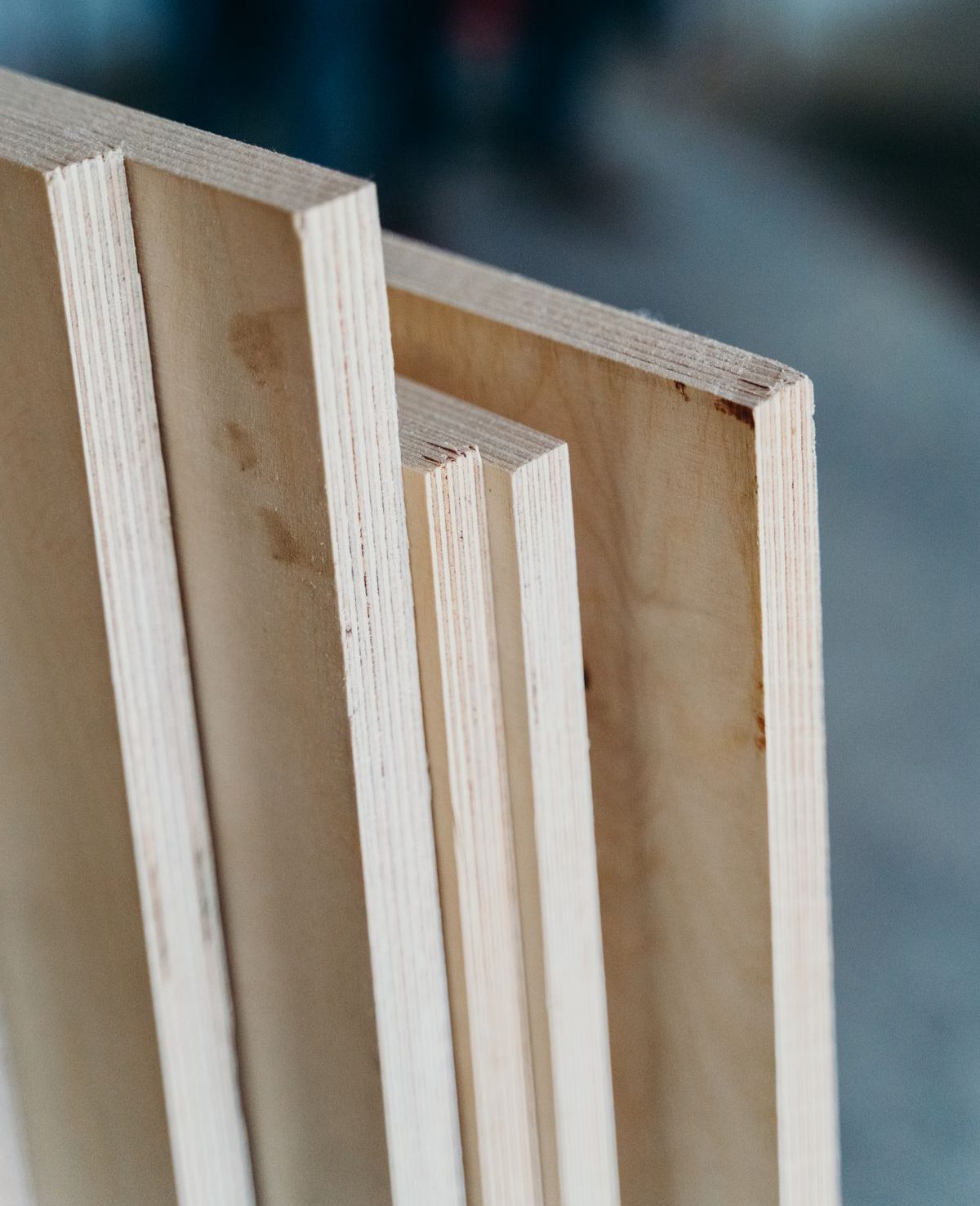
- Each panel gets a blanket, and panels travel face to face so the two finished surfaces protect each other rather than rubbing on cardboard.
- Corners get separate protection — corners are where damage happens, almost never the middle of a panel.
- Stretch film goes over the blanket to hold it, never onto the panel.
- Glass and mirrors get a cross of tape on the glass itself only if it is already going to be replaced — otherwise they are wrapped in blanket and carried vertically, and marked so nobody leans anything against them.
The rule we will not bend, and the reason this section exists: adhesive tape never touches a lacquered, veneered or painted surface. It pulls the finish off when it is removed, and on a warm day it can do it in a few hours. If you see anybody taping film straight onto your furniture, that is the moment to say something — to us as much as to anyone else.
Putting it back together at the other end
Reassembly is part of the job and it happens the same day. What it actually needs from you is a decision about where things go, made before we arrive rather than while holding one end of a bed frame.
The order is deliberate: beds first, because that is what somebody has to sleep in tonight, then wardrobes so clothes can come out of the boxes, then everything else. A move that runs late still ends with a made bed.
Screws go back in by hand at the end, not driven hard with a drill. Over-tightening a chipboard fixing is how a piece that survived the move fails a month later.
In short
- Beds, tall wardrobes, dining tables and anything with glass come apart. Glued solid wood and hidden mechanisms usually should not.
- Flat-pack furniture on its third disassembly may not survive — we say so before starting.
- Hardware goes in a labelled bag taped to the piece it came from, never into a communal box.
- Photograph the piece assembled, and the back of it, before anything comes off.
- Panels travel face to face under blankets, with the corners protected.
- Tape never touches lacquer, veneer or paint. Blanket first, film over it.
Not sure what will come apart?
Show us the pieces on a ten-minute video call. We will tell you what comes apart, what should not, and what will not fit through your door — before you book, not on the day.
Get a fixed price